|
|
|||||||||||||||||||||
|
|
|||||||||||||||||||||
|
The leading specialists in cultural walking
tours
|
|
||||||||||||||||||||
|
|
|||||||||||||||||||||
|
|
|||||||||||||||||||||
|
|
|||||||||||||||||||||
|
We specialise in guided cultural walking
holidays with music festivals, opera, art & architecture,
birdwatching, wildlife and gourmet food & wine.
|
|
||||||||||||||||||||
|
|
||||||||||||||||||||
|
|
|||||||||||||||||||||
|
Bhutan: A Botanical and Cultural Walking
Tour
Bhutan, ‘The Land of the Thunder
Dragon’, is the last independent Himalayan kingdom, a
stronghold of Tibetan Buddhism, with a unique culture which has
been protected over centuries both by the remote mountainous
terrain and by a self-imposed policy of isolation from outside
influences. A magnificent panorama of Himalayan peaks tower
above traditional wooden and stone-built villages, each
dominated by strategically-sited dzongs, the great mediaeval monastery/fortresses
which safeguard Bhutan’s heritage.
Renowned for its outstanding botanical
diversity (thanks to its location at the junction of two major
biogeographical zones, the temperate Palearctic and the
tropical Indo-Malay), over 70% of Bhutan is still cloaked in
forest. More than 5,400 species of plants have been identified,
including 600 orchids and 46 varieties of rhododendron. Many of
these plants are used in traditional Tibetan and Bhutanese
medicine and the tour is guided by a leading Bhutanese botanist
who specialises in this field.
The opportunity to travel in Bhutan is
undoubtedly a special privilege, restricted to a very small
number of visitors annually. We stay in comfortable, very
atmospheric, traditional hotels, enjoy local cuisine (with an
emphasis on vegetables, rice and noodles with mildly spicy
sauces), and experience these extraordinary botanical and
cultural riches on a series of walks in the forests, beside
mountain streams, and in the alpine zone where the blue pine
and hemlock forests give way to dwarf rhododendrons and alpine
juniper.
TRIP ITINERARY
DAY 1
L, D included
A spectacular flight over the Himalayas
on Druk (Dragon) Air brings us into Paro airport and a step
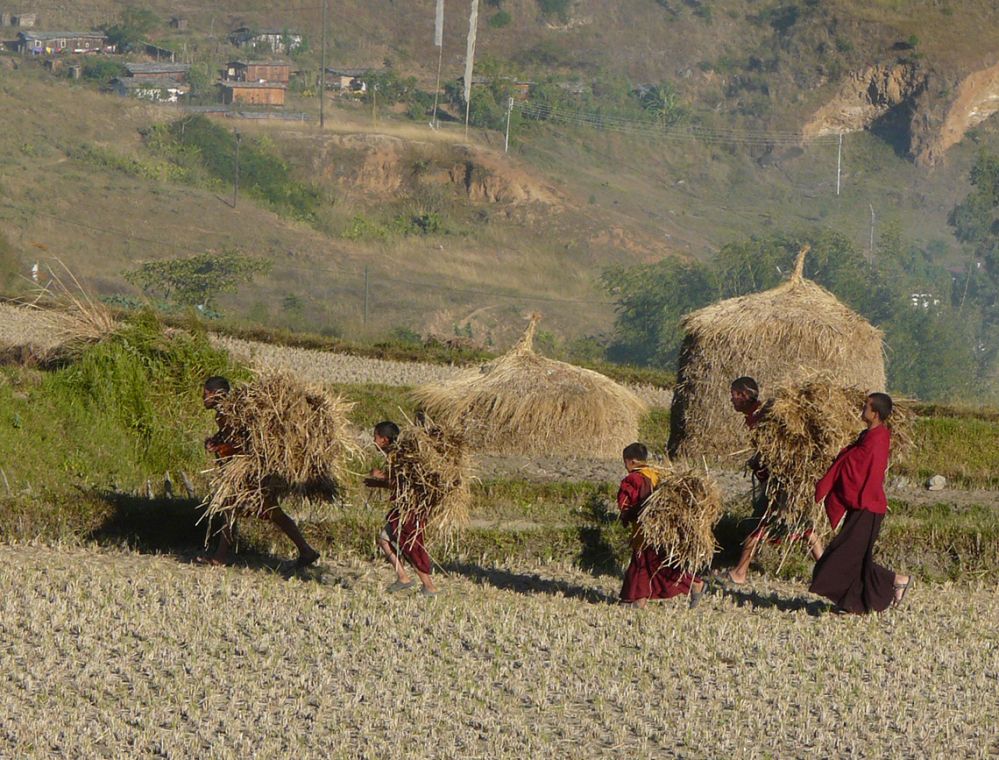
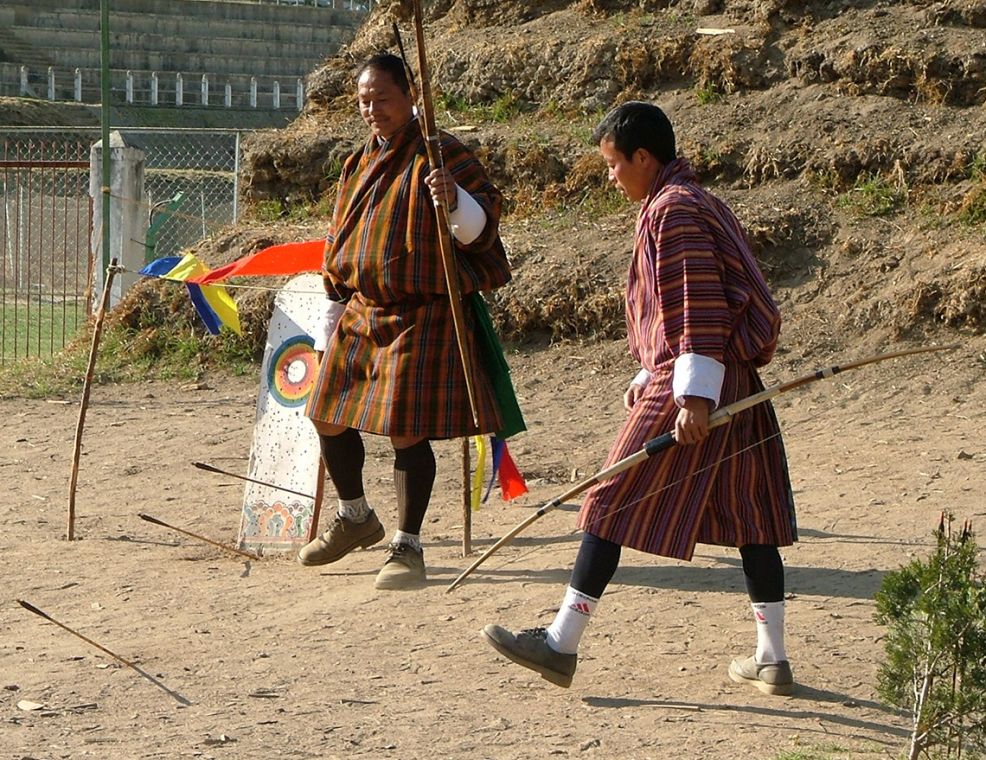
back in time - everyone wears national dress, oxen are working
the fields and archery, the national sport, is being practised
with bamboo bows on a grassy meadow in the middle of town.
After settling into our traditionally decorated hotel we set
off for a stroll through the meadows beside the river Paro,
then explore the imposing fortress of Rinpung Dzong, dating
from 1645, and walk to the Ta Dzong, a huge mediaeval
watchtower which now houses the National Museum of Bhutan.
DAY 2
B, L, D included
From the ruined fortress of Drukgel Dzong
(built to control the route to Tibet), we have a gentle walk up
the Paro Chu river valley, flanked by rice terraces and fields
of millet. Rosa sericea and Lonicera
glabrata are to be found and
we learn about the medicinal use of local plants. In the
afternoon we visit Kyichu, one of the oldest (7C) and most
atmospheric monasteries, where monks can often be seen chanting
and drumming. Returning to our hotel, we may try a
traditional Bhutanese hot stone bath before dinner.
DAY 3
B, L, D included
Following the sole, narrow paved road in
Bhutan, we gradually ascend through chir pine (Pinus roxburghii)
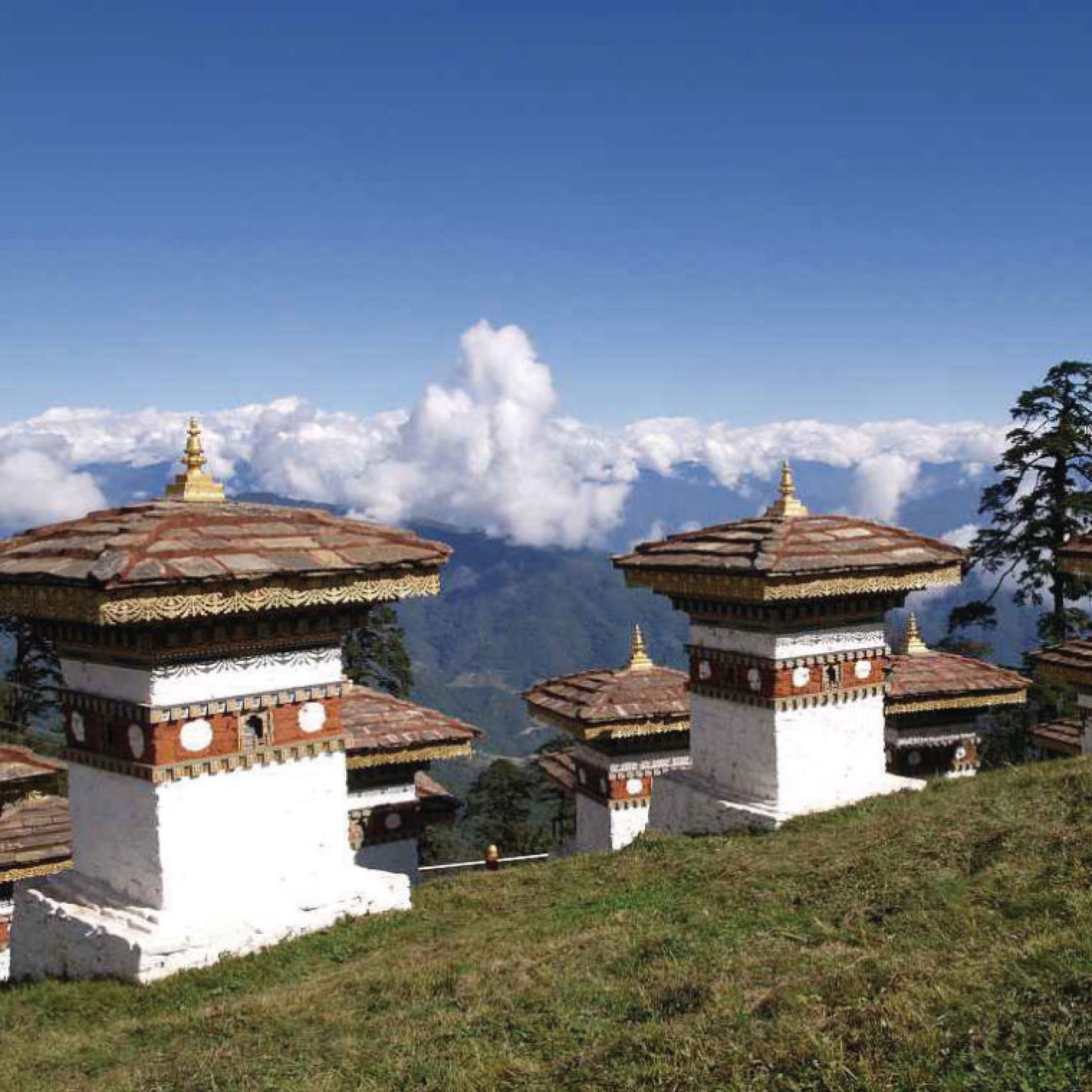
forest to Dochu La (= pass) at 10,450 ft, marked with 108
chortens and where wild ginseng species can be found on a short
walk down an old trading route. The forest becomes more
luxuriant (with Silk Cotton trees, Jacaranda and many tree
ferns) as we descend to Punakha (4,160 ft) and we pause to walk
through paddy fields to the temple of Chimi Lhakhang, dedicated
to the legendary lama Drukpa Kun-le, known as the ‘Divine
Madman’. Our hotel for 2 nights is set in pretty gardens
and enjoys panoramic views over the surrounding mountains.
DAY 4
B, L, D included
55 orchid species (including Coelogyne corymbosa,
Dendrobium nobile and Dendrobium perardi) have been found in the vicinity of Punakha
and this morning we search these out on walks in the
sub-tropical forests in the upper Mo Chu valley. We cross a
narrow suspension bridge on foot and walk beside the river,
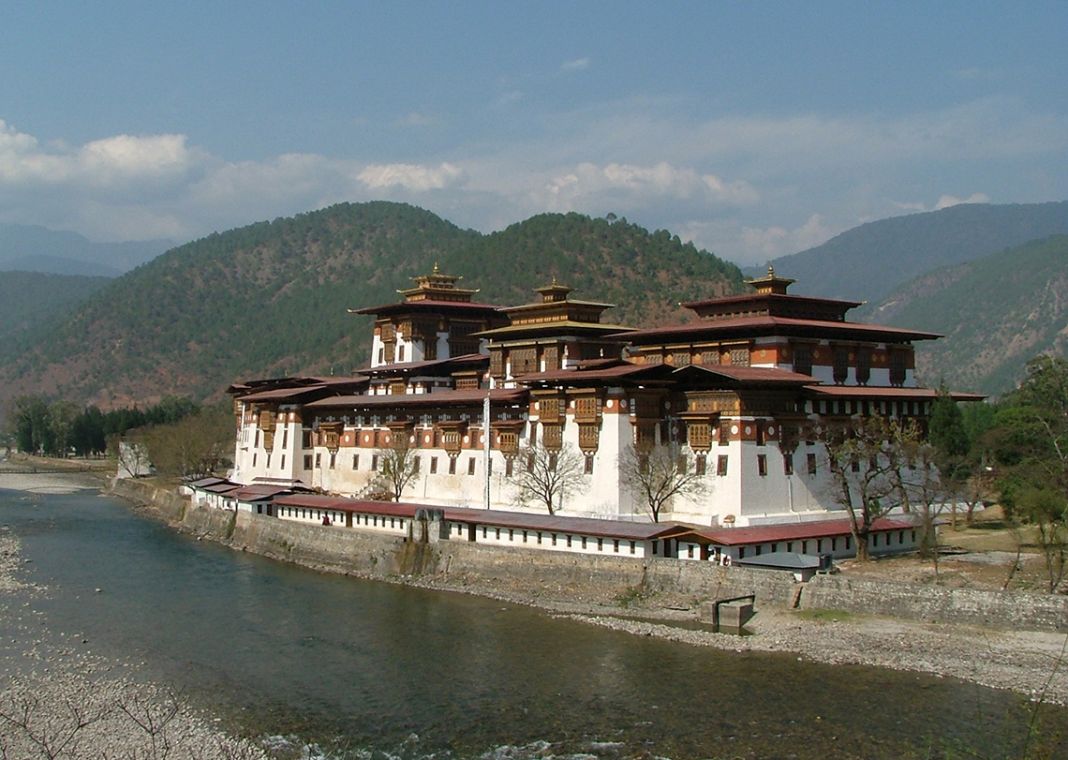
with a picnic en route, then visit the enormous Pungthang
Dechen Dzong, with its flowering jacaranda trees, golden
spires, sacred Bo tree and busy monastic life.
DAY 5
B, L, D included
Heading south and east, we pass the
strategic junction at Wangdu Phodrang, guarded by an impressive
17C dzong and begin the climb to the Pele La (3,420 m),
pausing to admire splendid trees and hopefully, more
Dendrobiums. Keeping a look out for Himalayan griffon vultures
we turn south to drop down into the Phobjika glacial valley
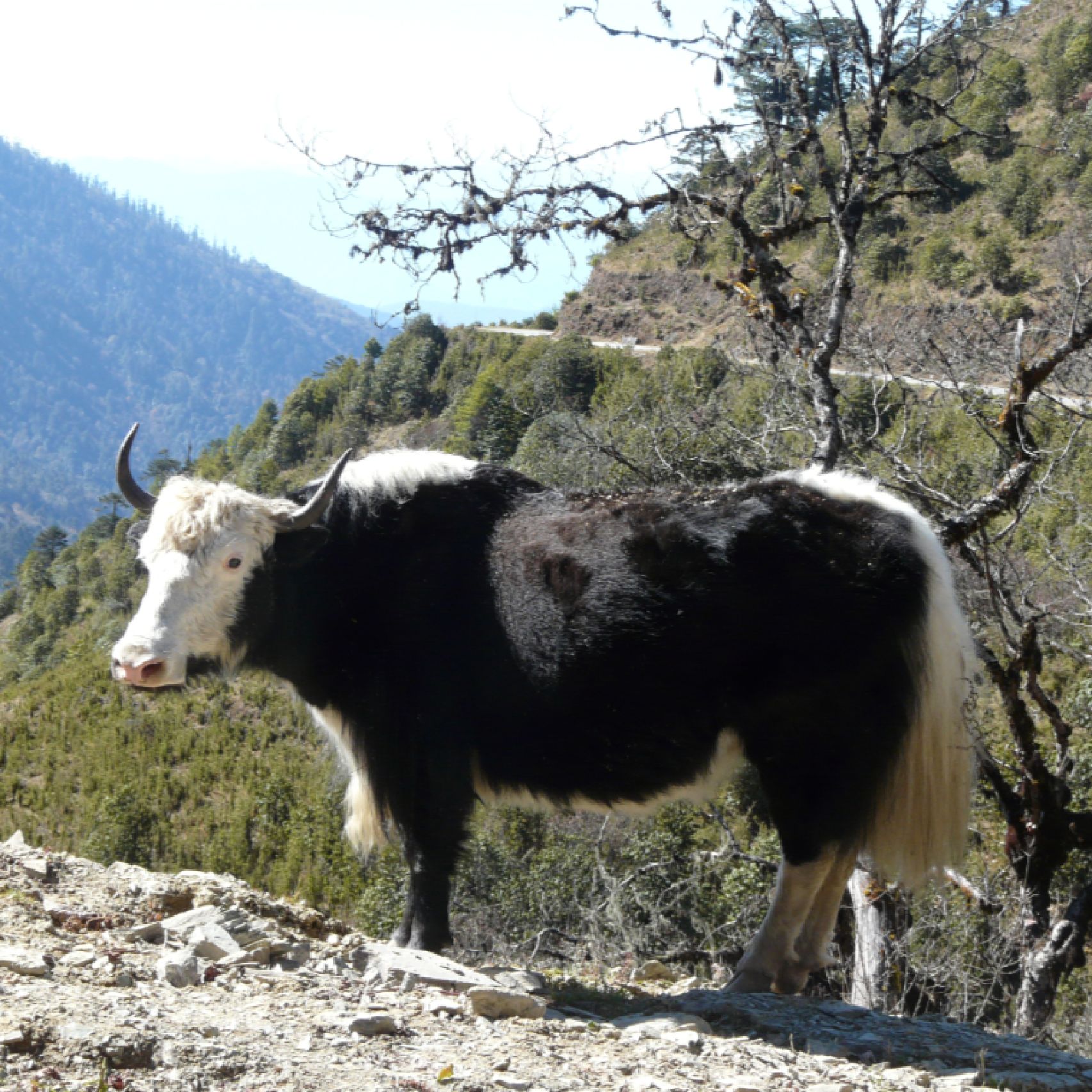
(10,000 ft), extensively grazed by yaks and winter home of rare
black-necked cranes. From Gangtey gompa we walk through
scattered forest of red, pink and white rhododendrons (Rhododendron hodgsonii, R. keysii, R. kesangiae, R. ciliatum) to our simple traditional guesthouse, run in
authentic Bhutanese style.
DAY 6
B, L, D included
There are carpets of primulas as we make
a circular walk in this remote, beautiful valley, meeting local
people tending their crops and seeing yaks grazing on dwarf
bamboo, tended by nomads living in black yak-wool tents. A
visit to the local school may be possible and we call in at the
WWF centre for the conservation of the Black Necked Crane, have
the opportunity to buy locally woven carpets, and visit the
recently restored Gangteng monastery with its extensive murals
depicting the Thousand Buddhas.
DAY 7
B, L, D included
This morning we walk through extensive
stands of rhododendron (R.
thompsonii, R. cinnabarinum) and up
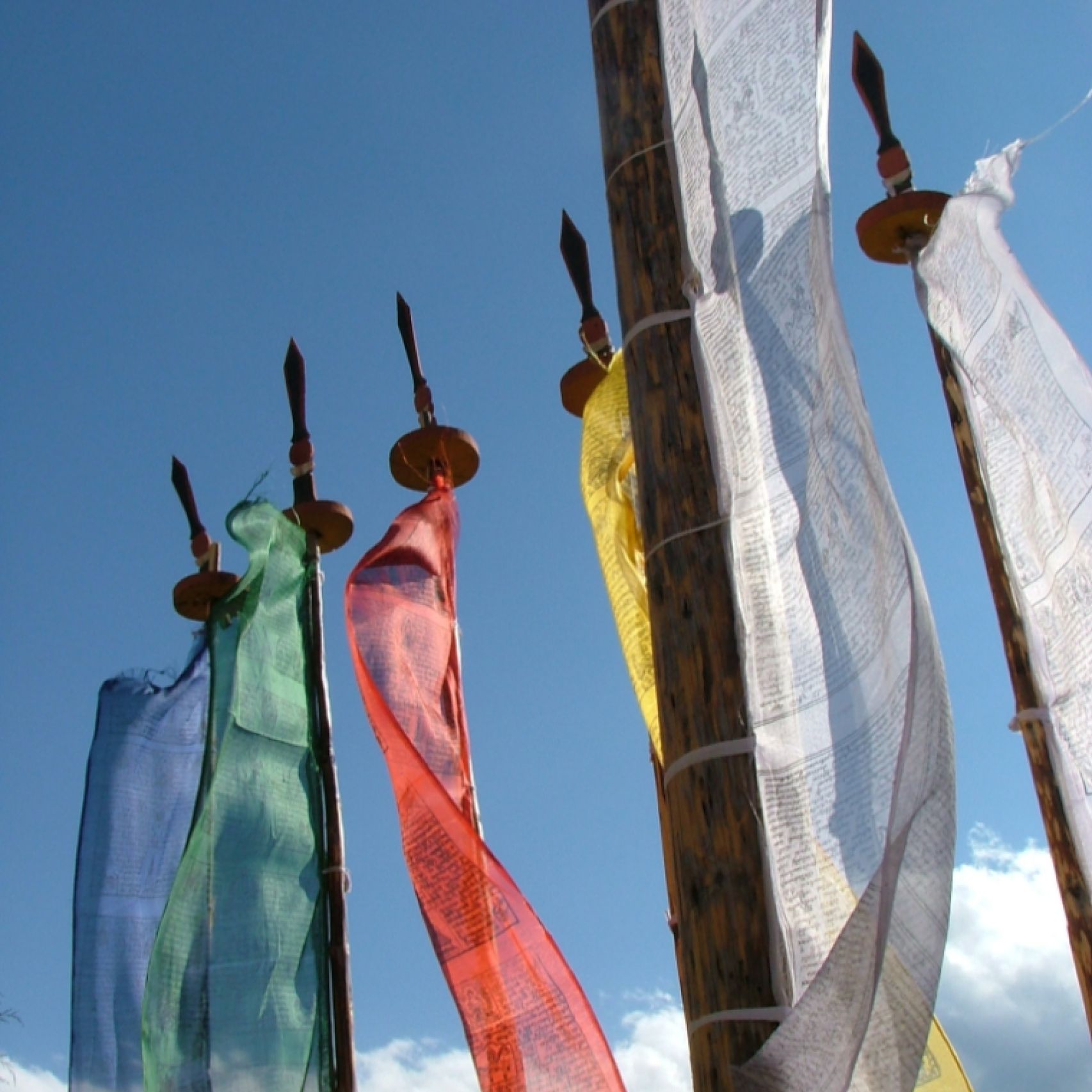
to a pass marked by prayer flags, then descend on an old
trading route through high montane forest with plentiful
lichens and tree orchids. Regaining our vehicle we continue to
a charming riverside lodge where we stay the night. Here we are
at lower altitude (around 2,000 m), verging on the tropical
zone, and we can appreciate the warmth and the plentiful bird
and butterfly species.
DAY 8
B, L, D included
We drive back over the high passes (with
botanical stops en route) to Thimpu, where we visit Tashi
Chodzong, the grand seat of the Bhutan government, its series
of ornately carved courtyards decorated with striking murals
and relief sculptures. Our hotel has modern facilities but is
built, like everything in Bhutan, in traditional style, and
each room has a balcony with views over the Thimpu river
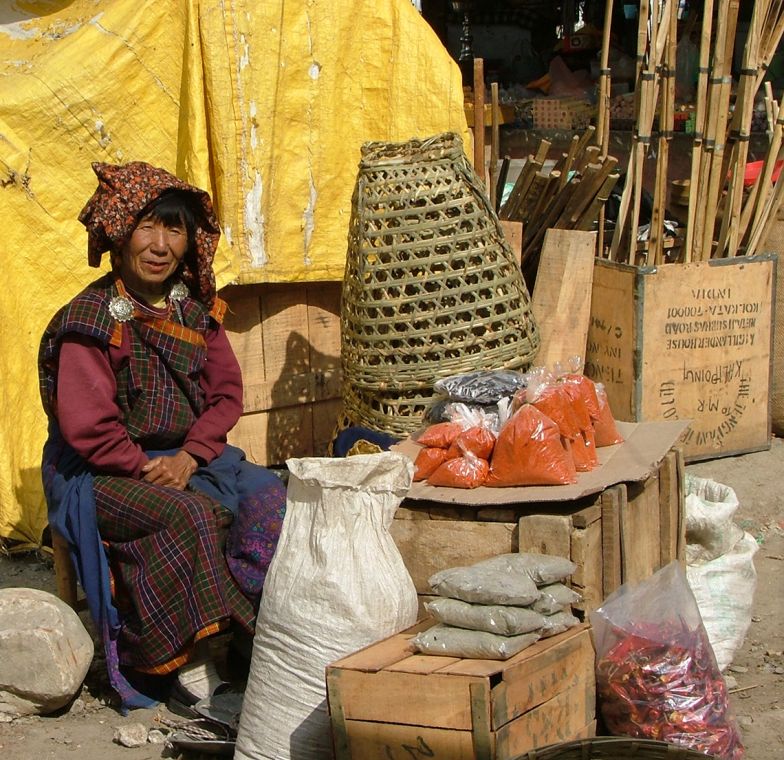
valley. There is time to shop for handicrafts, especially woven
silk, tangkha scrolls and masks, before we have an invitation
to a private Bhutanese home for dinner and an introduction to
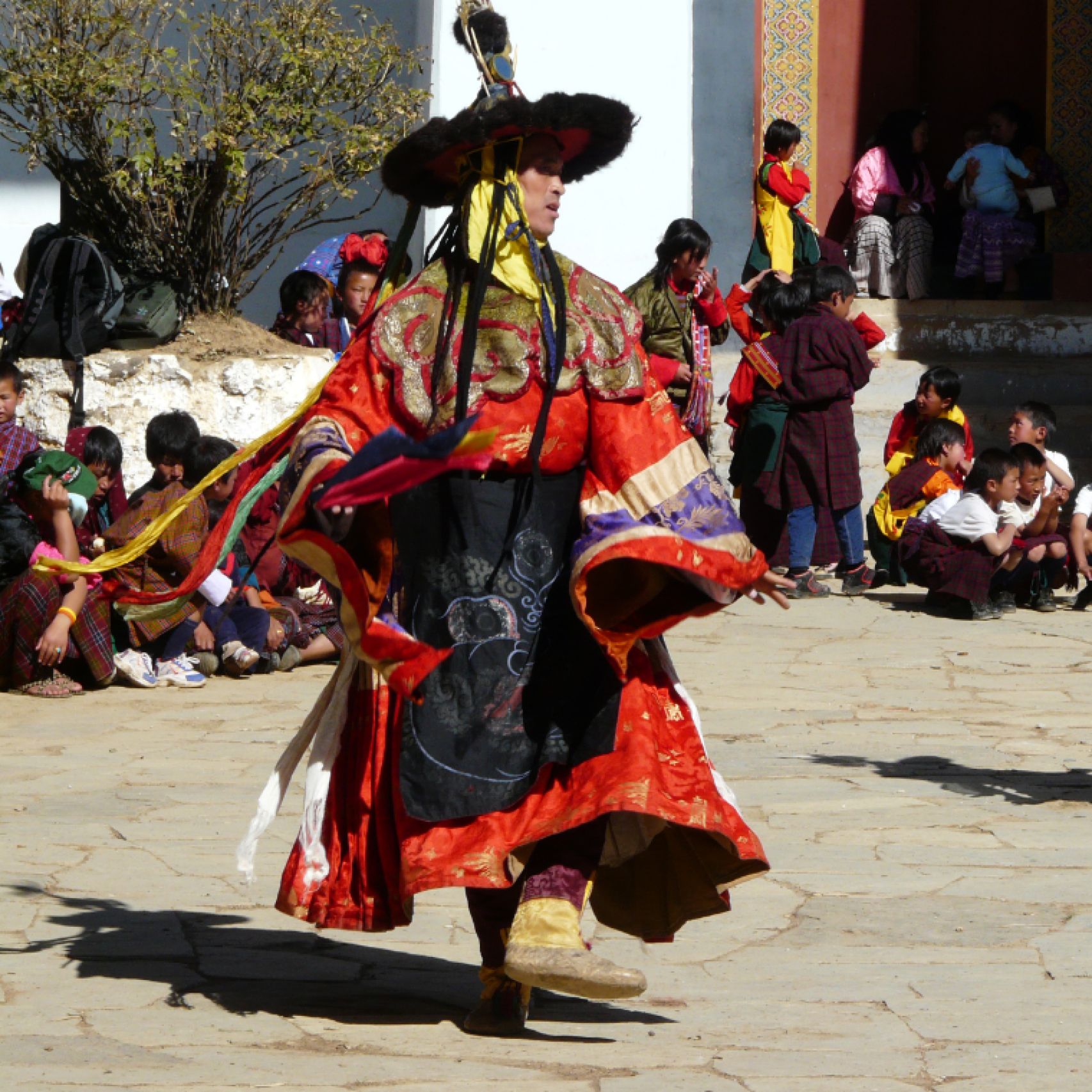
classical Bhutanese music and dance.
DAY 9
B, L, D included
This morning we visit the Institute of
Traditional Medicine Services before returning to Paro for our
last 2 nights. After a light lunch we hike (or choose the
option of a mule ride) 2,000 ft up the ancient pilgrimage path
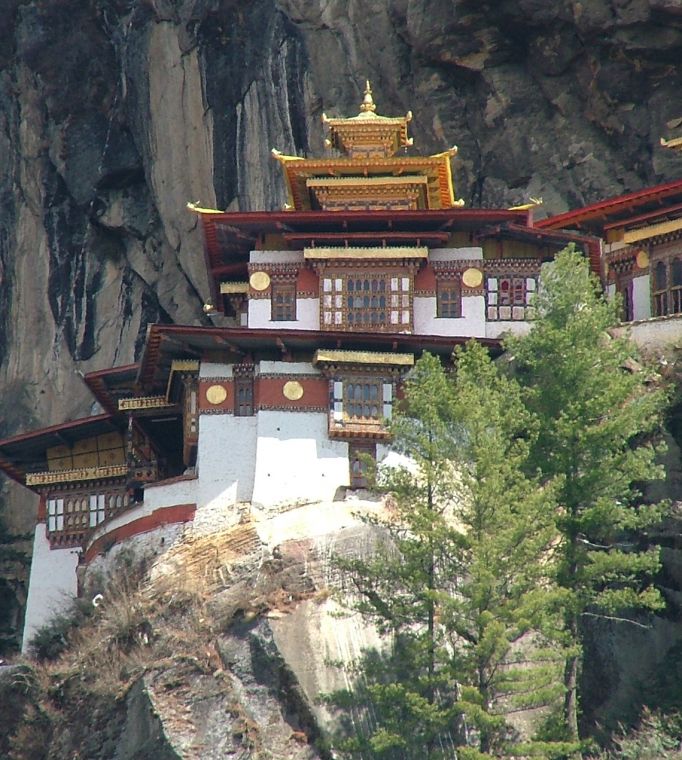
which zigzags through oak and pine forest to Taktsang
monastery, the celebrated Tiger’s Lair. Founded by the
legendary Guru Padma Sambhava, who flew from eastern Bhutan on
the back of a flaming tigress to subdue demons opposed to the
spread of Buddhism, this impressive monastery commands splendid
mountain views.
DAY 10
B, L, D included
Travelling west from Paro, the narrow
mountain road climbs up through mixed forest where plants like Rosa brunonii, Pieris Formosa and Daphne papyracea
can be seen. We emerge onto yak pastures with views down into
the Haa valley and take a series of short walks around the pass
of Chele La (3,810m, over 12,000 ft) in search of aromatic
herbs, meconopsis species and many primulas (P. smithiana, P. denticulata, P. sikkimensis).
Our journey to this magical Himalayan kingdom concludes with a
candlelit farewell dinner.
DAY 11
B included
We depart, reluctantly, on the morning
Drukair flight, seeing Bhutan’s sacred mountain
Jomolhari, and the snow-covered Kanchenjunga, Lhotse, Makalu
and Mt. Everest on what must be the world's most spectacular
plane journey.
Price includes:
All accommodation for Days 1 through 11
on a double shared basis
All meals (with beer/soft drinks at
lunches and dinners) as listed in the daily notation
All land transportation in a private
minibus with driver as described
All entrance and sightseeing fees and
special permits to enter monasteries as described, except
during free periods
Bhutan visa
services of the specialist Bhutanese
botanical guide, plus local guide and Kudu tour leader
Gratuities for hotel and restaurant staff
Visa and Health Requirements
All visitors require a valid passport and
a Visa for entry to Bhutan - visa support service is organised
by Kudu Travel and the cost is included in the price above.
At present there are no specific and
compulsory health requirements for entry to Bhutan, but we
encourage you to consult your doctor in good time (at least 6
weeks before departure) about updating your immunisation
against Hepatitis A, polio, tetanus and typhoid, or anything
else they consider advisable. We will NOT visit southern
low-lying parts of Bhutan where malaria occurs.
|
|
||||||||||||||||||||
|
|
|||||||||||||||||||||
|
Kudu Travel Limited
Teffont Manor
Teffont Ewyas
Salisbury SP3 5RJ
Phone: 01722 716167
Registered in England
No. 03854049
|
|
||||||||||||||||||||
|
|
|||||||||||||||||||||
![]() |
|
||||||||||||||||||||
|
|
|||||||||||||||||||||
![]() |
|
||||||||||||||||||||
|
|
|||||||||||||||||||||
![]() |
|
||||||||||||||||||||
|
|
|||||||||||||||||||||
|
|
||||||||||||||||||||
|
|
|||||||||||||||||||||
|
|
|||||||||||||||||||||
|
|
|
|
|
|
|
|
|
|
|
|
|
|
|
|
|
|
|
|
|
|
|